Connecting Past and Present: Clint Baclawski MFA ’08 Brings Light to Malden
A new installation by MassArt's Clint Baclawski MFA ’08 Photography reimagines a 1908 photograph of an elevated connector trolley.
View story





The Architecture Department at MassArt prepares students to shape the spaces and environments of the future through imaginative design, hands-on making, and critical inquiry, while connecting creative practice with the social, cultural, and environmental dimensions of architecture.
Meet our Architecture faculty and department staff:
Julie Wake (’07 BFA) never expected to go to college after having been in the workforce for several years. Her MassArt education gave her an opportunity to advocate for artists in a big way.


Out of her Element, and Loving It
Julie Wake is Executive Director at Arts Foundation of Cape Cod, a nonprofit that supports Cape-based artists through funding extracurricular arts activities, artist grants, and personal development opportunities. Julie enrolled in MassArt’s architecture program after several years in the workforce and became the first in her family to earn a college degree. She is passionate about expanding access to the arts throughout Cape Cod, and amplifying the role of art and artists.
What do you remember most about your experience at MassArt?
There was the opportunity to explore — to really grow and lean into things I’d always been thinking about. Going in as an older, non-traditional student, I sometimes felt super out of my element. But I found (MassArt) so welcoming and inclusive. The classes were small, and the coaching and mentoring were so personal. I’ve never felt so challenged and then built back up. And I’ve never laughed so hard. I learned that it’s never too late to try. MassArt made it possible for me to earn a college education.
How did your program shape your perspective?
I was in the architecture department and it was just mind-blowing to consider housing and structure in a way that was more human. We were thinking about environmental architecture and design as it affects us as people who interact with the world. It brought a softness to a strong-edged subject. It brought me an understanding of how the arts interact with all different sectors.
How did that perspective lead you to where you are now?
I took those lessons and worked as a communications director for the Housing Assistance Corporation. I’d never worked in social justice before, but I went in with that MassArt confidence. Then, the executive director position at The Arts Foundation of Cape Cod opened up. I understood the sector, the needs and challenges, and how to work with artists. MassArt gave me the cachet to come in and be confident and fearless in a job like this one. The school thinks of its students as future leaders and entrepreneurs. I’ve now been here for eight years.
What role do you see the next generation of artists and designers playing in society and in the world?
The arts no longer serve just one area. Artists are helping with mental health. They’re helping tell the story about lack of affordable housing. Artists are critical to our humanity. They’re rockstars—the rest of the community really learns from them. It’s so good for society to have an artist in conversations, to talk to somebody who sees the world in a completely different way. I see lots of openings for artists, art organizations, and community access to those things. And I’m excited because most people are starting to get on that same page.
Artists are critical to our humanity. They’re rockstars—the rest of the community really learns from them.Julie Wake ’07 BFA
A new installation by MassArt's Clint Baclawski MFA ’08 Photography reimagines a 1908 photograph of an elevated connector trolley.
View storyWhether you're looking for visual inspiration or thought-provoking narratives, these titles from MassArt alumni deserve a spot on your reading list.
View storyCareer Development and Licensure
PROFESSIONAL AND STUDENT ARCHITECTURAL ASSOCIATIONS
LICENSURE
M.Arch Program Director Paul Hajian MassArt’s AXP/Licensing Advisor. Paul works closely with students and MassArt’s Career resources office to identify job opportunities for students and recent graduates, and guides students through the internship and licensing exam registration. Paul may be reached at phajian@massart.edu.
The National Council of Architectural Registration Boards, NCARB, provides information on architectural licensure. NCARB’s Architectural Experience Program (AXP) provides information and resources for completing and reporting professional experience hours with supervising professionals. For more information on AXP, and a “guidelines” document you may download, select Gain AXP Experience, on NCARB’s website.
The Department of Architecture is committed to teaching through the studio model. Working in studio should be interactive, collaborative, and rewarding. The following topics address goals that graduate students have set for themselves concerning studio culture in order to maintain a respectful and supportive environment.
STUDIO SPACES & STUDIO COURSES
Studio spaces are intended as a gathering area for informal learning, formal lectures, and as a place to work. Though it is not enforced, students are expected to work in studio as much as possible, both during studio classes and on their own time. Since the exchange of ideas works best when all participants are there to contribute and collaborate, students should make every effort to attend studio meetings, critiques, and lectures on time. Late arrivals and early departures are disruptive and disrespectful to the teachers and fellow students.
WORKPLACE & PROFFESSIONALISM
Students are expected to respect each other’s studios, work, and equipment. Ask before borrowing equipment or supplies, and always return items promptly. They must also respect the need for a quiet work environment; use headphones when listening to music, or ask your neighbors for permission before using speakers; and turn off cell phones or set them to vibrate during class and studio hours.
We recognize that students spend a majority of their lives in the studio. They are to be mindful of food in storage, eating, and cleanup so problems do not arise related to cleanliness. They must also pay special attention to food in the shared refrigerators and clean it out occasionally.
As there are a limited number of school computers, they must be shared, if necessary. While students are free to save their work to the desktops, it is advised that they back up their work each day. Recreational use of the computer is a low priority.
When leaving studio at year’s end, students must leave spaces clean and free of personal items. Clean-up dates are posted in studio. Work left after those dates is destroyed.
STUDIO ETIQUETTE
The Department of Architecture supports an interactive learning environment where diverse opinions, approaches, and passionate debate are encouraged. However, intimidation, loud shouting, and insulting speech are not tolerated. Like other areas of MassArt, our studios and classrooms should be free from harassment, discrimination, and violence. Students and faculty will treat one another with respect and mutual goodwill, and will resolve differences in an equitable, respectful manner. The faculty, staff, and students are inter-dependent and together build the Department of Architecture.
BALANCE
It is critical that students are able to maintain a balance between their studio work, assignments for other classes in other departments, and lives outside of school. Excessive time spent in studio that precludes participation in extracurricular activities or enrollment in classes taught by this or other departments is strongly discouraged.
TIME MANAGEMENT
Spending inordinate hours in studio is less effective than investing well-considered quality time on work. Students are encouraged to manage their time so that projects are spread out over the course of a semester in manageable time blocks. Students are discouraged from working late at night on a regular basis and prior to reviews. Working fewer, more productive hours will leave time for other important activities both at school and outside of school.
COMMUNITY AND RESPONSIBILITY
The Department of Architecture is not the only school on campus to provide studio space; graduate studios are shared by numerous departments. Agendas and work styles may differ, but everyone deserves respect. Collaboration with students in other departments – such as faculty-led workshop electives or individually directed projects – is encouraged.
MassArt offers two NAAB-accredited programs, the M.Arch Track I (102 credits) and M.Arch Track II (60 credits).
In the United States, most registration boards require a degree from an accredited professional degree program as a prerequisite for licensure.
The National Architectural Accrediting Board (NAAB), which is the sole agency authorized to accredit professional degree programs in architecture offered by institutions with U.S. regional accreditation, recognizes three types of degrees: the Bachelor of Architecture, the Master of Architecture, and the Doctor of Architecture.
A program may be granted an eight-year term, an eight-year term with conditions, or a three-year term of initial accreditation, depending on the extent of its conformance with established education standards
Doctor of Architecture and Master of Architecture degree programs may require a pre-professional undergraduate degree in architecture for admission. However, the pre-professional degree is not, by itself, recognized as an accredited degree.
M. Arch. Track I – 102 Credits (non-pre-professional degree + 42 pre-professional credits + 60 graduate credits)
M. Arch. Track II – 60 credits (pre-professional degree + 60 credits).
This program leads to the following professional licenses: ARE through NCARB. Please look up your state’s professional licensure agency contact information to determine whether MassArt’s program meets your state’s requirements for licensure.
The National Architecture Accrediting Board (NAAB) granted the MassArt Master of Architecture degree program an eight-year term of accreditation effective January 1, 2024.
The next accreditation visit for the M.Arch program is 2032.
The Plan to Correct addresses any conditions “not met” indicated in the NAAB accreditation decision letter. MassArt’s Plan to Correct addresses 2 conditions. NAAB voted to accept our Plan to Correct and approve the program for the remainder of the term of accreditation at their October 2025 meeting.
The Architecture Program Report (APR) is a narrative document and an instrument of the accreditation process. It is comprehensive and self-analytical study and outlines how the program meets each of the conditions for accreditation. This process is outlined in detail in the NAAB Conditions and Procedures for Accreditation.
2023 NAAB Architecture Program Report (APR) (archived)
The Visiting Team Report (VTR) is the team response to the visit and team assessment of evidence provided in the APR and Team Room (digital and/or physical).
2024 NAAB Visiting Team Report (VTR) (archived)
The purpose of the Annual Report is to update program records and provide information about each program’s continuing compliance with the Conditions for Accreditation during the program’s accreditation cycle.
2012 NAAB Annual Report Narrative (archived)
2011 NAAB Annual Report Narrative (archived)
2010 NAAB Annual Report Narrative (archived)
Additional Reports
2018 M.Arch Interim Progress Report (archived)
2009 M.Arch Progress Report (archived)
To understand the context for reviews – see the following documents published by NAAB:
The following documents link to NAAB.org.
Current conditions and procedures
Documents in Effect During the Last Accreditation Visit
2020 NAAB Conditions for Accreditation
2020 NAAB Procedures for Accreditation
The NAAB Accreditation Criteria website includes links to the most current versions of the NAAB Conditions for Accreditation and Procedures for Accreditation.
The year 2014 is the first year for which MassArt has ARE Pass Rates to report. In 2016, the first MassArt M.Arch graduates received their architecture licenses in Massachusetts.
To better understand the interrelationship between the student, educational and professional organizations refer to the following resources:
PROFESSIONAL AND STUDENT ORGANIZATIONS
American Institute of Architects (AIA)
American Institute of Architecture Students (AIAS)
Boston Society of Architects (BSA)
Association of Collegiate Schools of Architecture (ACSA)
National Council of Architectural Registration Boards (NCARB)
National Architectural Accrediting Board (NAAB)
National Association of Minority Architects (NOMA)
https://www.bosnoma.org/ (BOSNOMA)
Society of American Registered Architects (SARA)
LICENSURE
NCARB is the primary site for Licensure.
From there you can understand how to start an NCARB Record.
NCARB’s Architectural Experience Program (AXP) provides resources for internship reporting, and an app to use in reporting and professional experience hours with supervising professionals. On NCARB’s site, Gain AXP Experience, find information on AXP and download the AXP App.
The following brochures are also available at ncarb.org:
Look up your state’s professional licensure agency contact information to determine specific requirements for licensure as states vary.
LICENSING ADVISOR
M.Arch Program Director Paul Hajian MassArt’s AXP/Licensing Advisor. Paul works closely with students and MassArt’s Career resources office to identify job opportunities for students and recent graduates, and guides students through the internship and licensing exam registration. Paul may be reached at phajian@massart.edu.
HANDBOOKS AND ARTICLES
BOOKS
CAREER DEVELOPMENT RESOURCES
MassArt has a robust career development office that provides services for resumes, cover letters, job internships, and building portfolios.
Our Architecture students have access to multiple fabrication labs, model shops, and a studio space within a collaborative work environment.
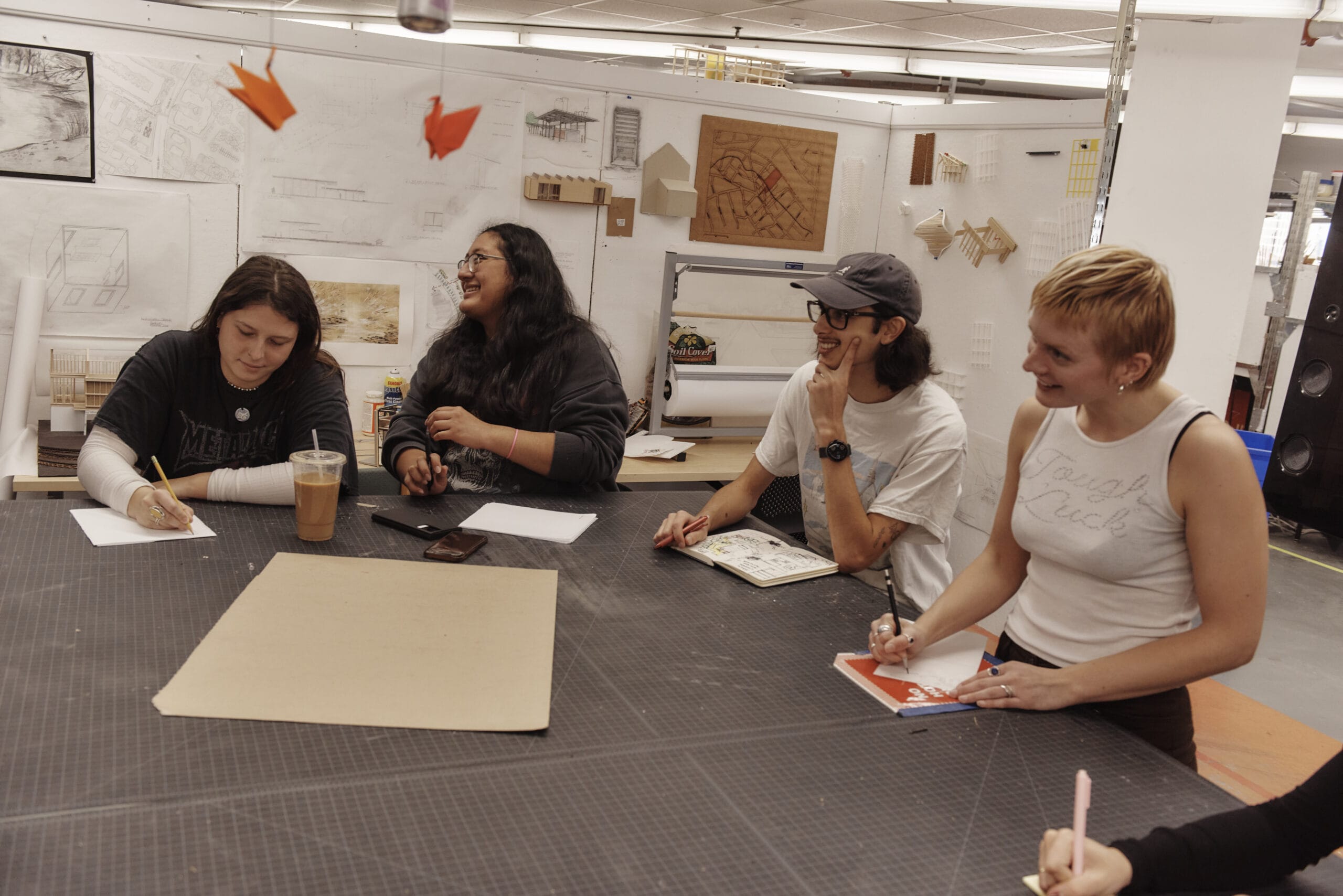
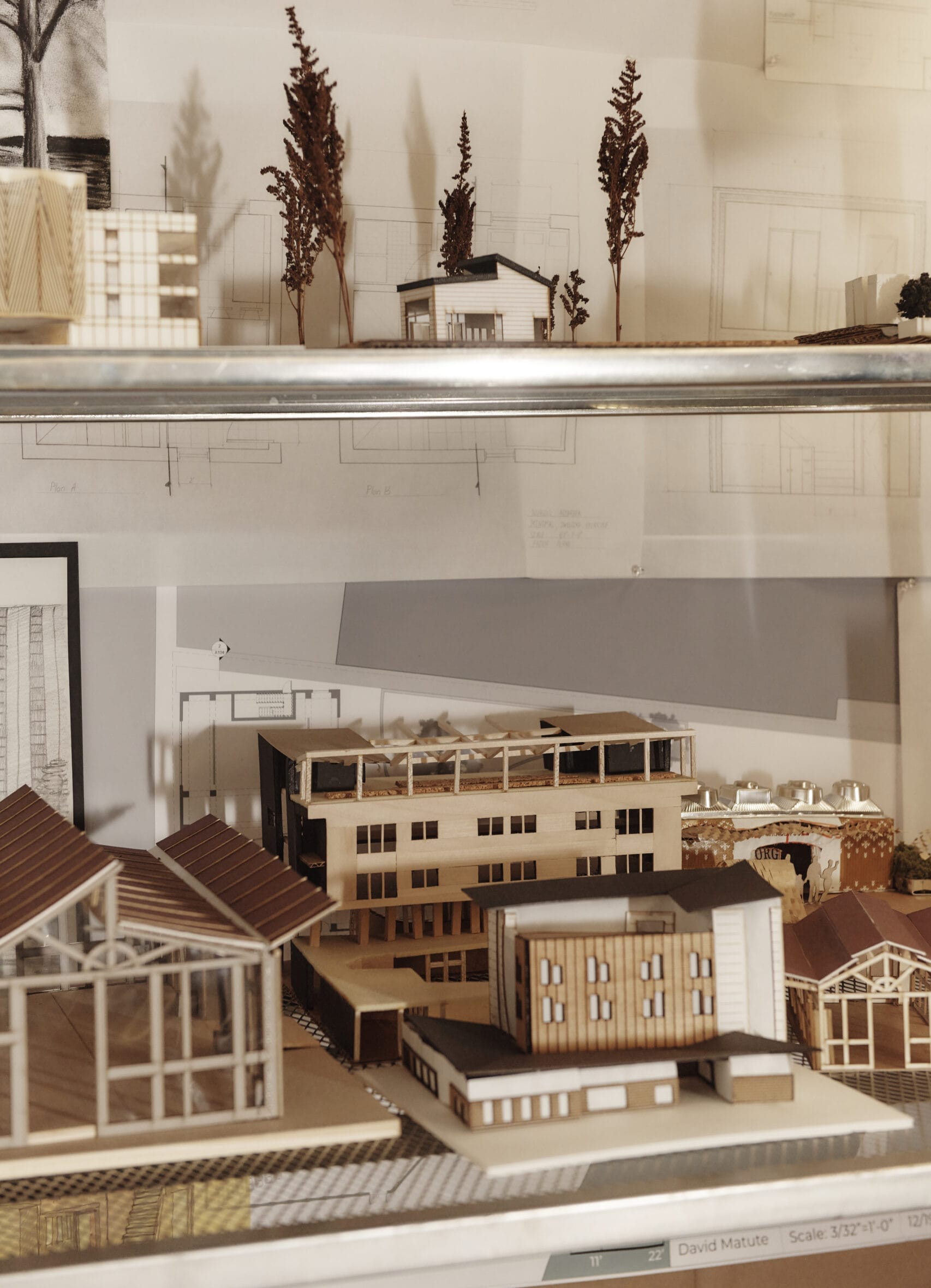
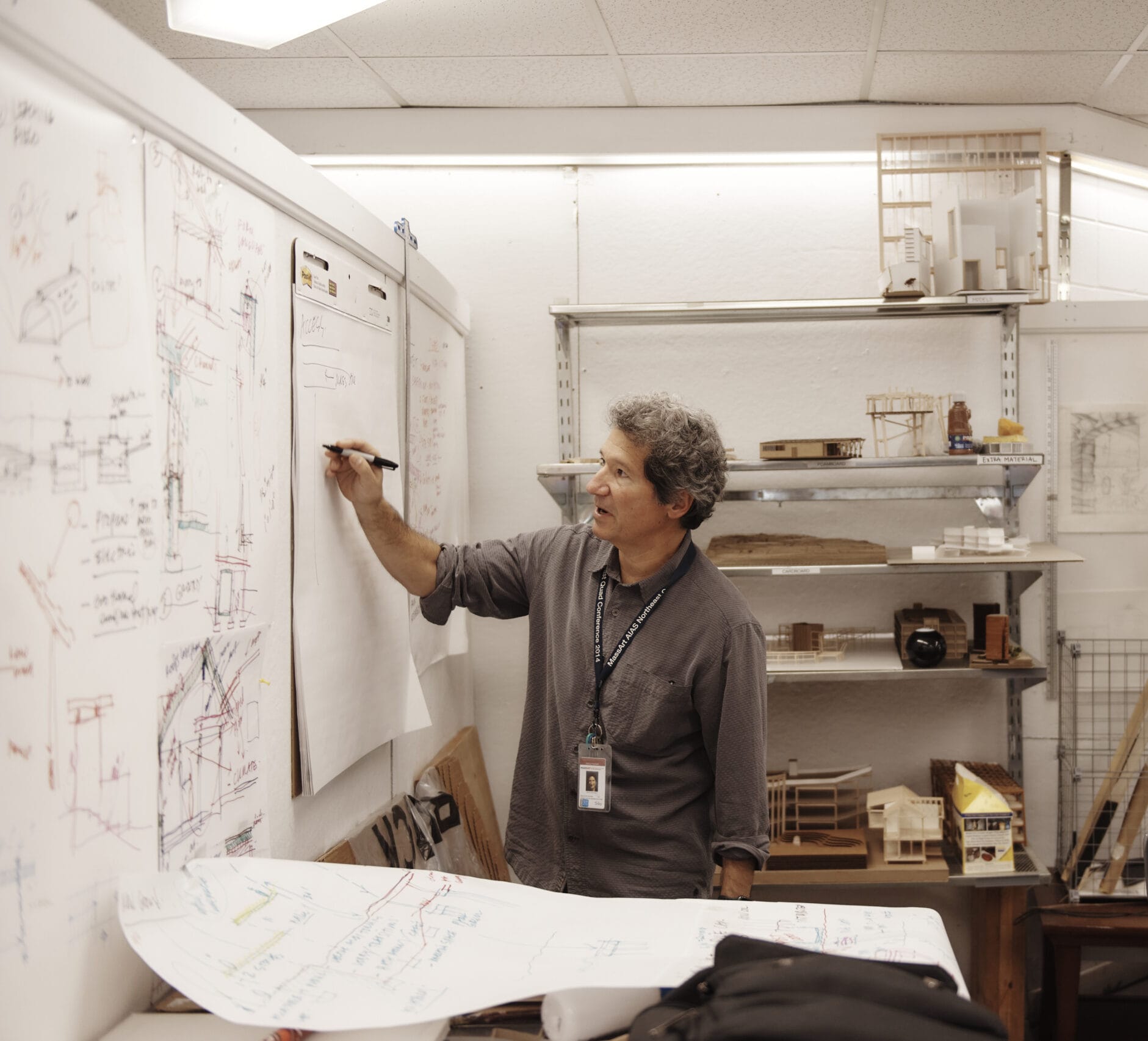
Architecture studios are dynamic spaces where students have personal space to draw, design, build, and create, engage in design + fabrication, and receive feedback from faculty and peers.
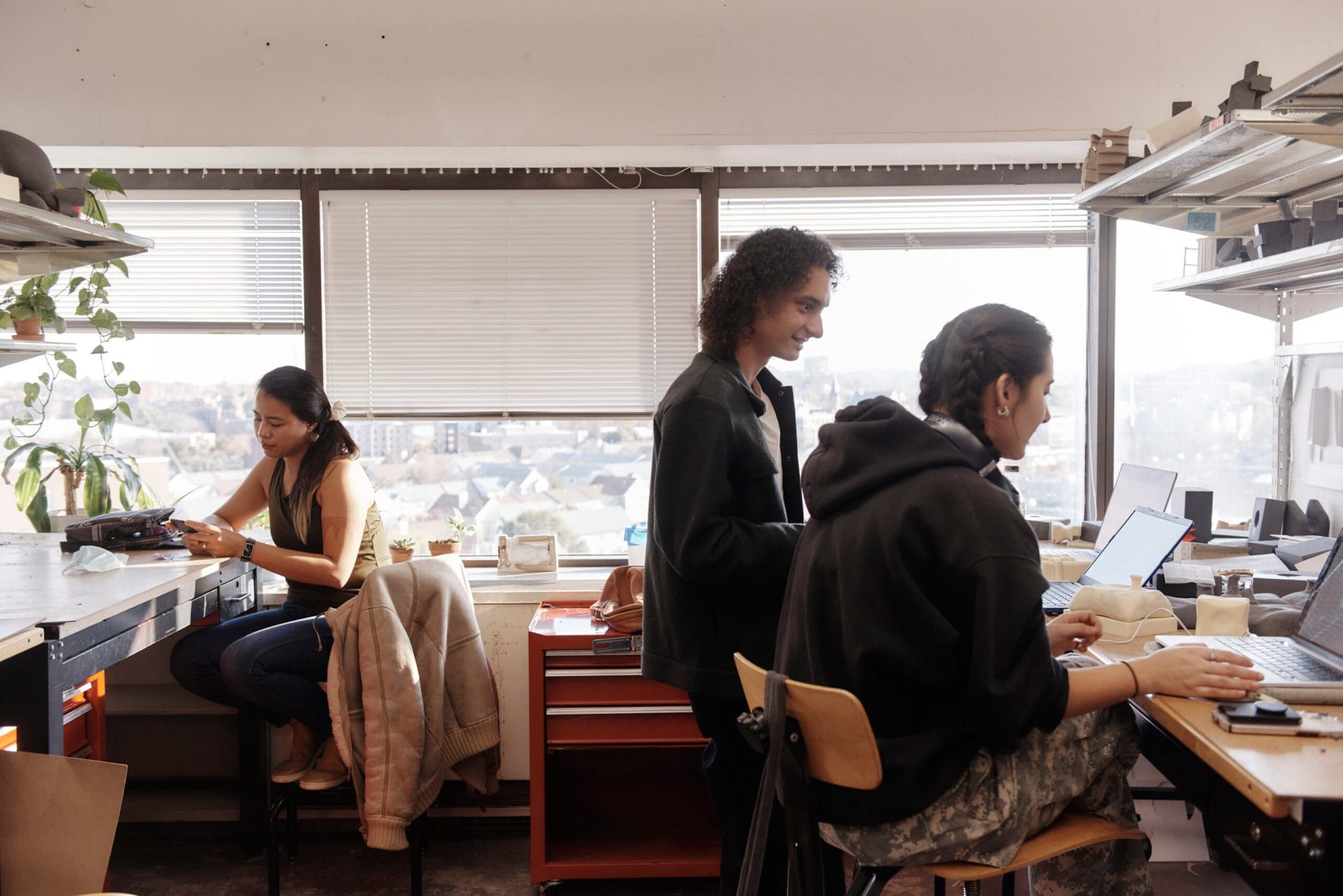
Students work in the Architecture department on the 10th floor of the Tower Building.
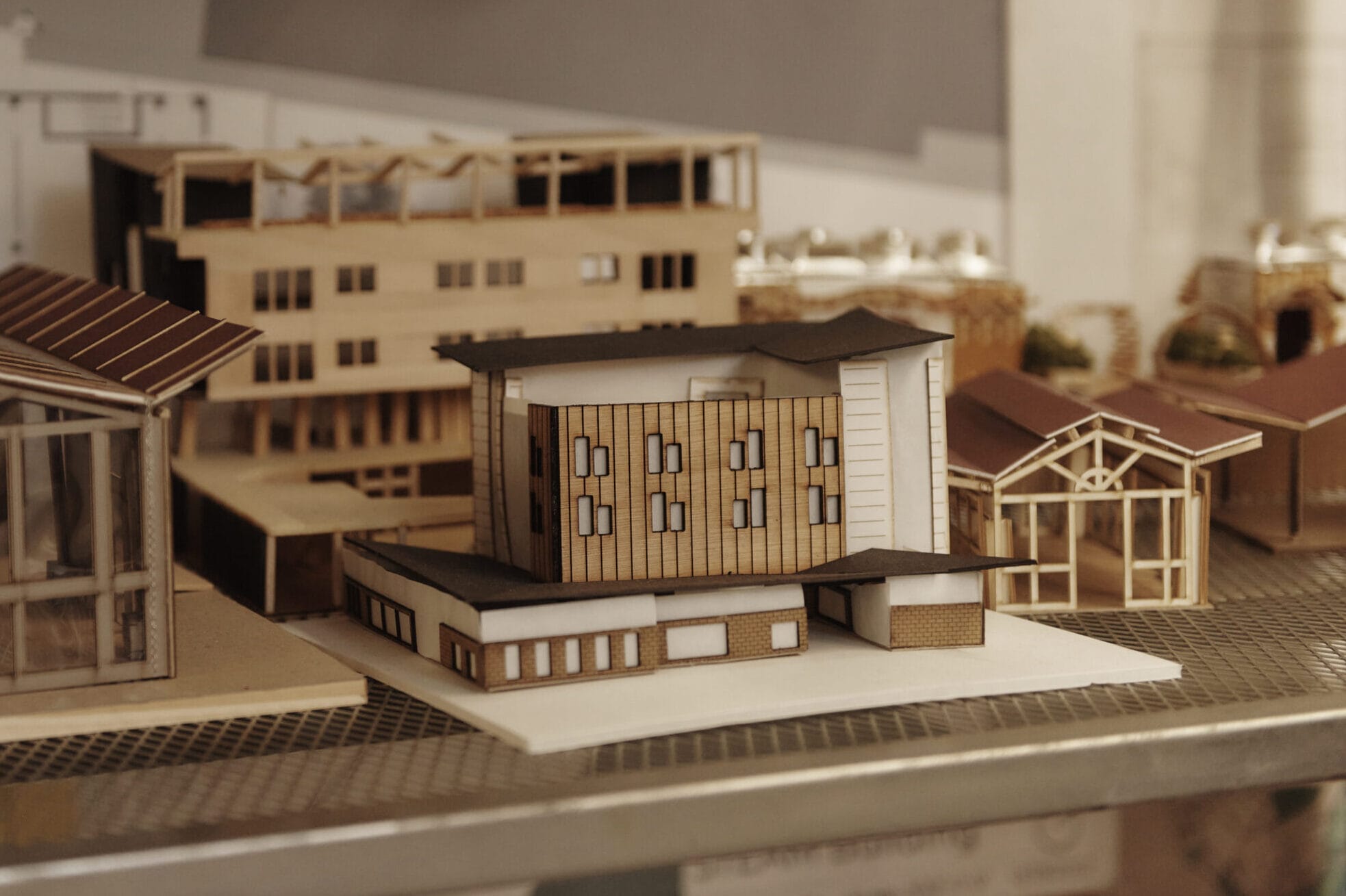
Architectural models sitting on a table in the Architectural Design studios.
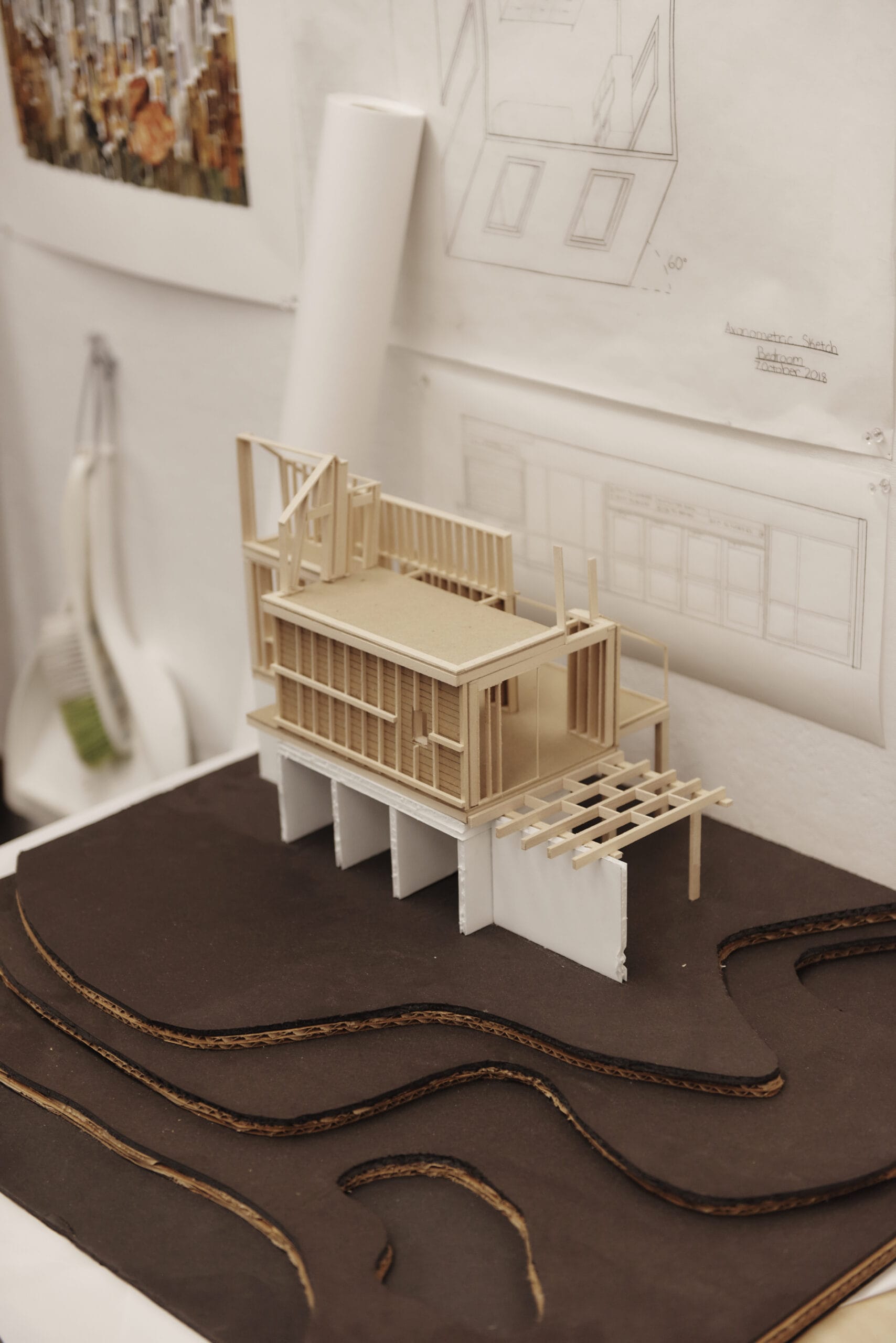
Facilities include individual studio spaces, tables for collaborative work with visual presentation capacity, a dedicated classroom with pin-up space, boards for lectures, and a computer lab.
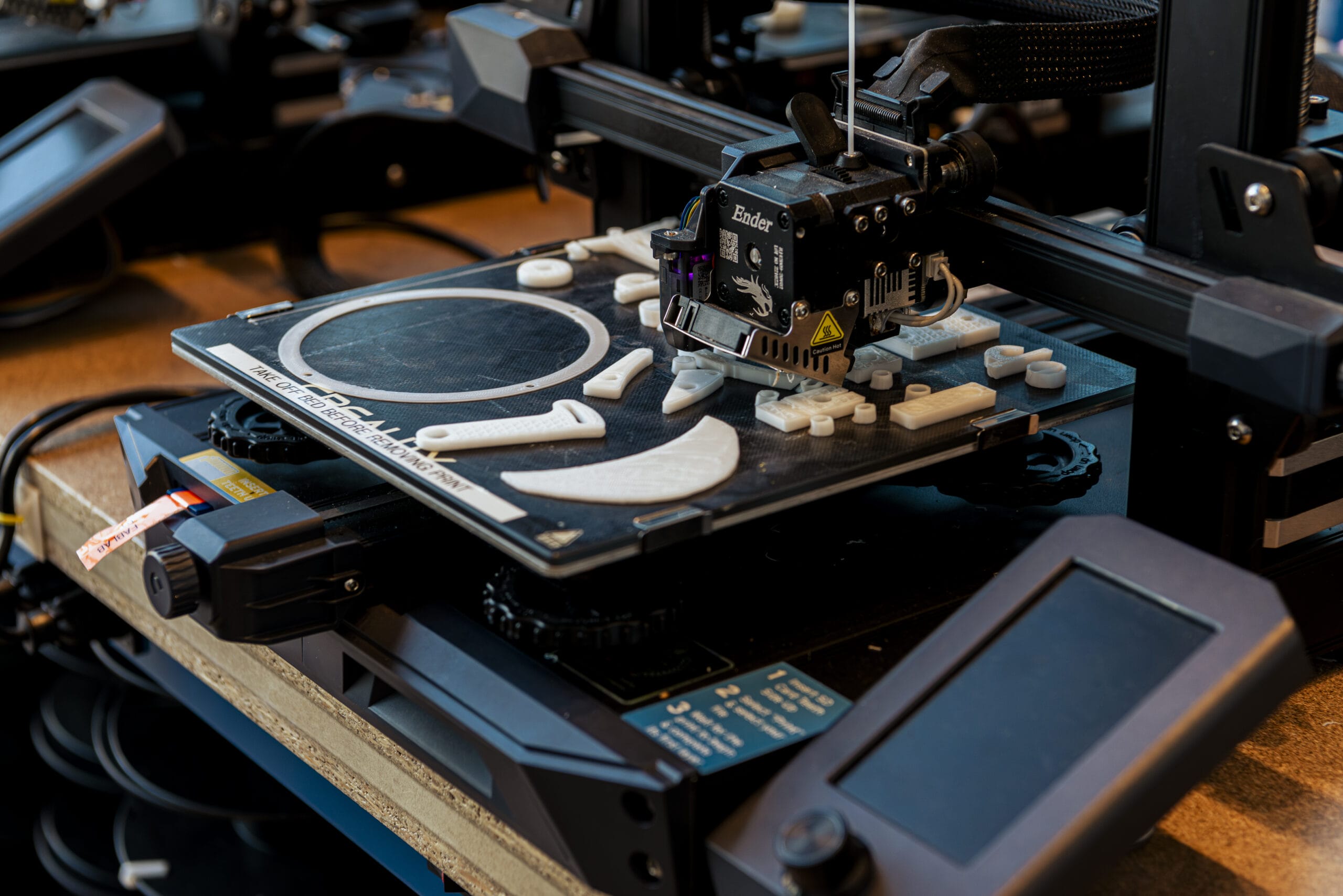
Students also have access to facilities across campus: digital FABLABs with additive and subtractive technologies, a large woodshop, model shops, and material-specific spaces within departments.
Our studios, digital fabrication labs, and academic spaces give students across disciplines and programs access to the very latest equipment, tools, and technology.
Learn MoreOur Community Build program provides graduate students with hands-on learning as they create a functional structure for community use.
Established in 2009, the MassArt Community Build program promotes projects for public and nonprofit entities that solve practical problems and encourage human interaction in the built environment. Through education, advocacy, and research leading to design and construction, it provides opportunities for students and communities to work as partners on design-build projects.
A core goal of the MassArt Community Build program is to embed curricular work within the architectural profession, using the studio as a laboratory that results in built projects that are completed for an external client.
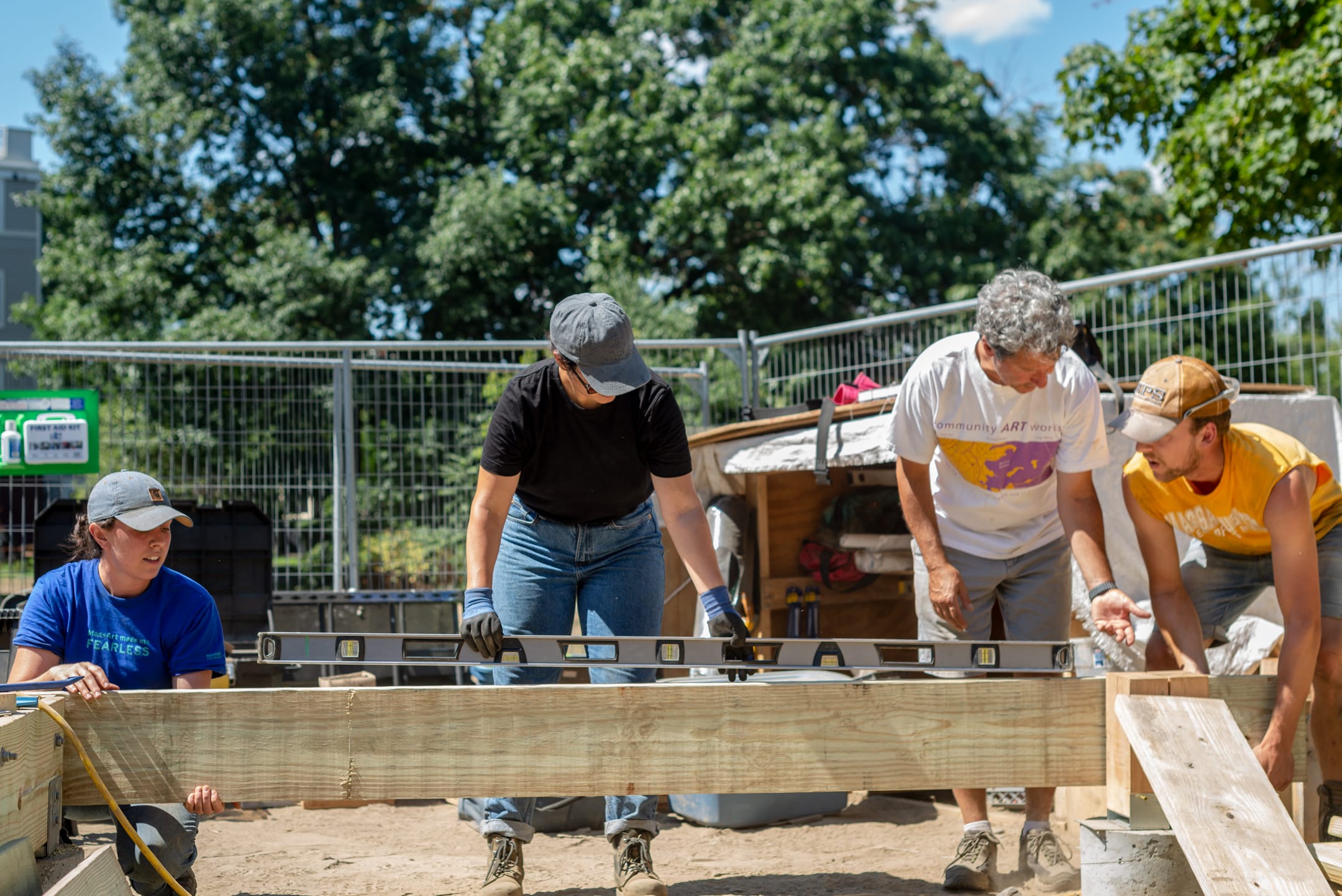
Community Build, a key studio course in the program, is a central required element of the M.Arch curriculum. During this summer studio, M.Arch students lead the design and construction of a project for a community partner. Over the course of the term, students bring architectural form from concept to reality, while meeting the goals of the client group and exploring the expressive potential of building materials and structural systems. Mentoring and supervision is provided by industry professionals, including architects and engineers.
The program also includes interdisciplinary courses and projects that involve students and faculty from programs across the college in innovative art and design partnerships.
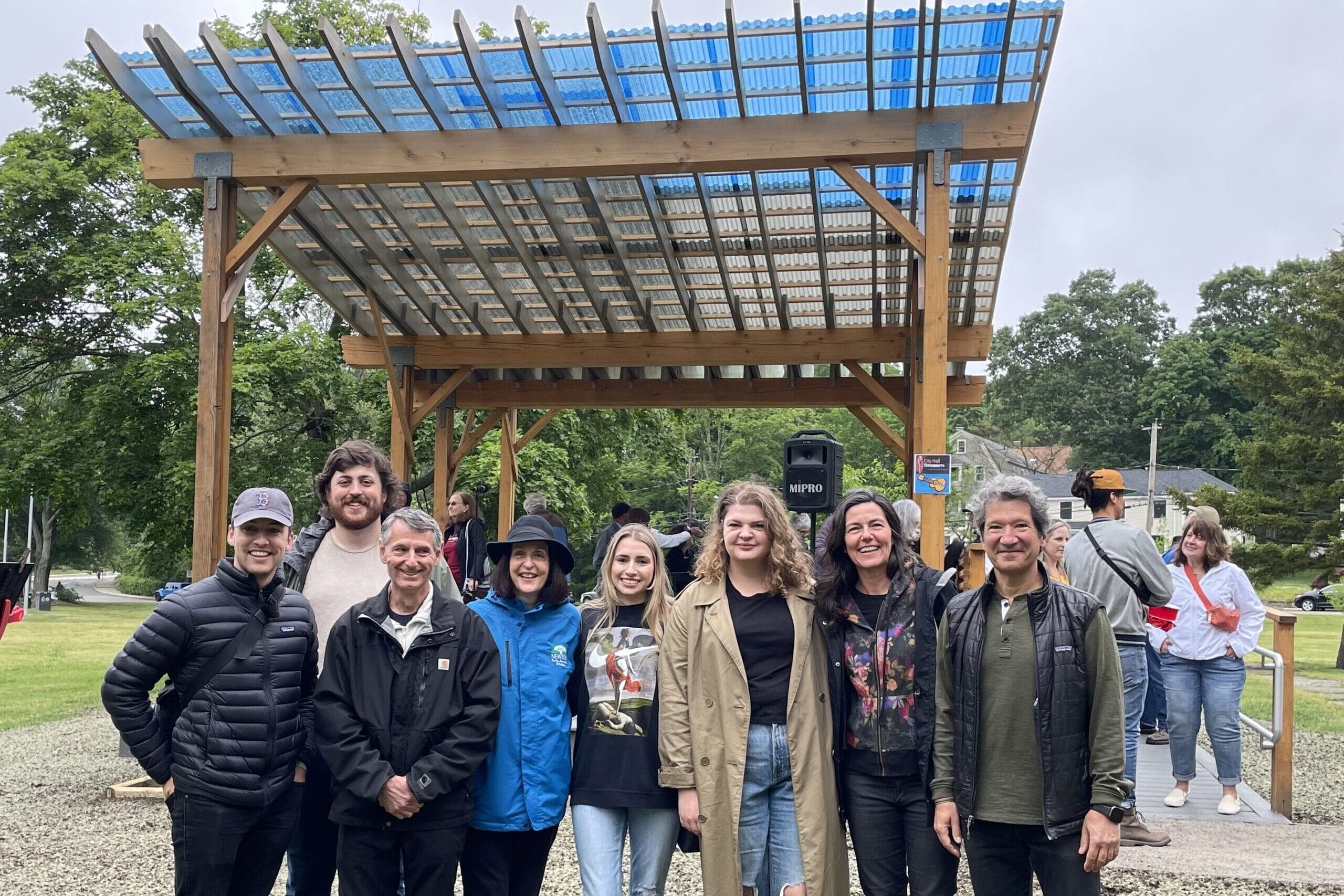
Faculty met with Newton’s Mayor Fuller in the summer of 2021 to discuss an opportunity to collaborate with MassArt’s Community Build Studio. Cabot Park was proposed by the City as an ideal location and the Butterfly Pavilion was built to join the Parks, Recreation and Culture Program for everyone to enjoy for years to come.
The Community Build team was charged with addressing both practical and conceptual design improvements to the handicap ramp in the MassArt courtyard that included evaluating drainage problems and developing a design strategy that aligned with MassArt’s Strategic Plan. Boston, MA. View the Community Build 2021 Book
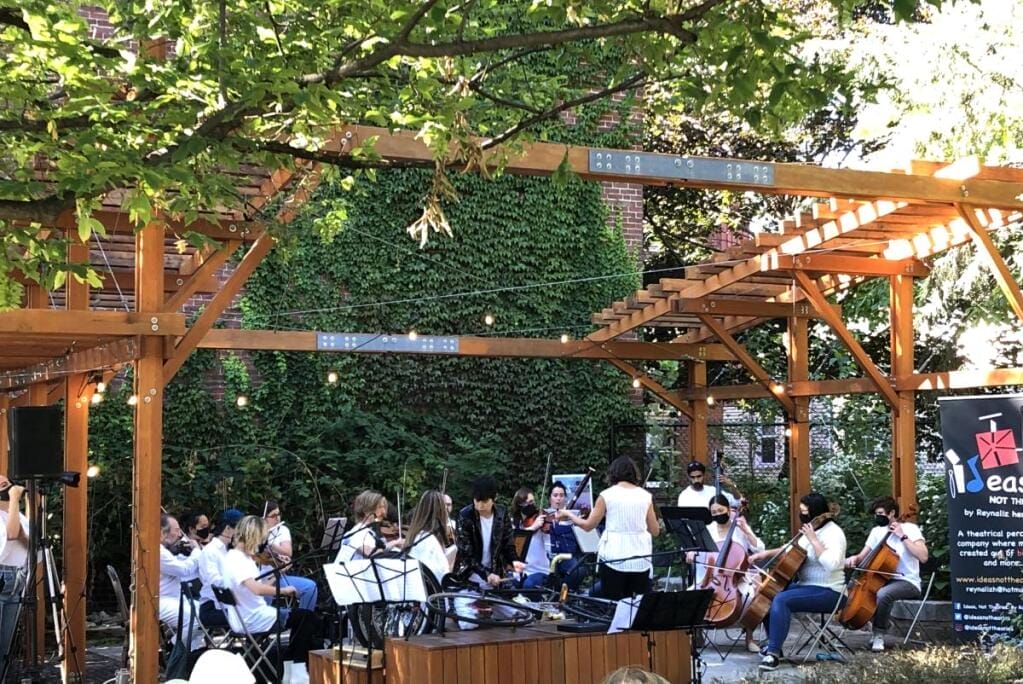
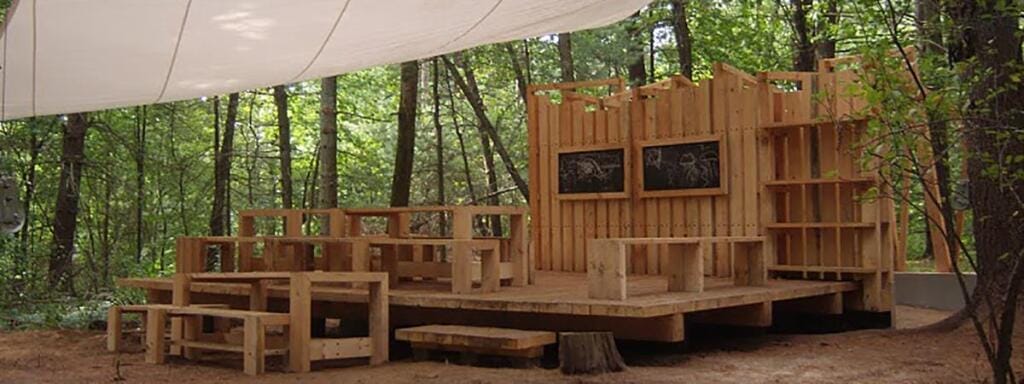
New flexible framework to support various community events, featuring seating with integrated storage and a pergola used for shade and to create a stage/classroom/work area. Somerville, MA. Photo by Maki Duan.
Supported by the Urban Food Forest Coalition and the Farmer’s Collaborative, this greenhouse is located on Geneva Avenue in Dorchester, and is paired on a small lot with fruit trees and summer vegetable gardens. Wood framed, the exterior is developed from panels of double-layered polycarbonate. Dorchester, MA.
View a time lapse video of the construction. Video by Olivia Wiktor.
Developed in partnership with the Museum’s Art and Nature Center to support the temporary exhibition Wild Designs. The project was inspired by an open lotus flower. Salem, MA. Photo by Julian Phillips.
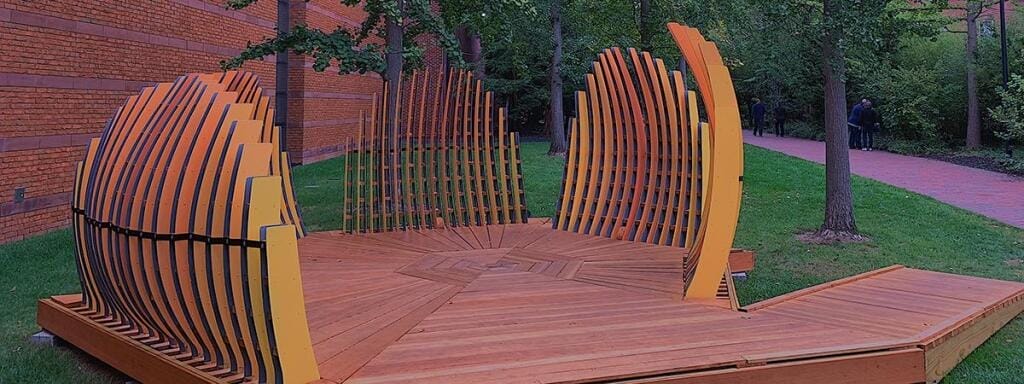
Public amenity for golfers and the general public. The project draws inspiration from the woods surrounding the golf course, and its shape is inspired by a Doyle spiral of interlocking hexagons which increase in size. Brookline, MA. Photo by Peter Vanderwarker.
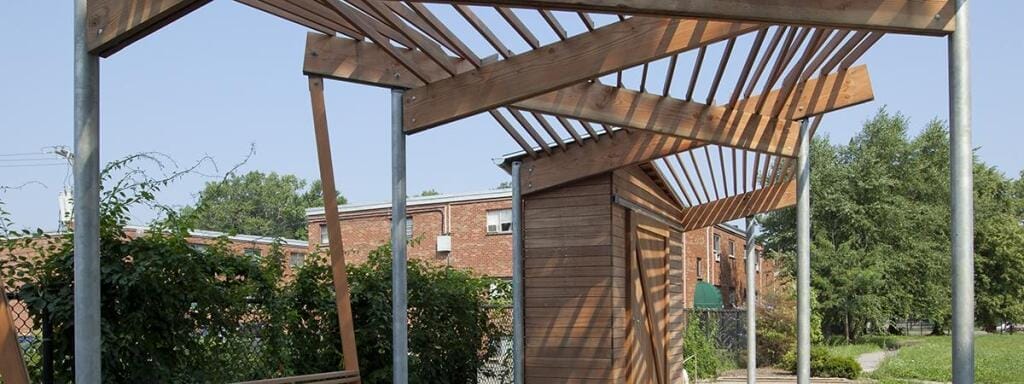
Outdoor learning space, Codman Academy, Dorchester, MA.
Seating and Shade Trellises at Entry and Courtyard and Improved Directionality, Cambridge Friends School, Cambridge, MA.
Re-envisioned Entry: Educational Garden and Deck, Signage and Metal Relief Sculptures, UP Academy, Dorchester.
Concession and Event Space, Putterham Meadows Public Golf Course Brookline, MA.
Outdoor Interactive Learning Center, Dennis C. Haley Pilot School, Roslindale, MA.
Outdoor Classroom, Drumlin Farm Wildlife Sanctuary – Mass Audobon Society, Lincoln, MA.
Weather Shelter for Bus Entrance, Carter School, Boston, MA.
Partner with MassArt to Bring Your Community Project to Life
Massachusetts College of Art and Design (MassArt) is seeking proposals from community organizations for future Community Build projects. If your organization has a vision for an outdoor space that fosters connection, learning, or play, we invite you to collaborate with our graduate Architecture students to bring it to life.
What is the goal of Community Build?
Community Build connects MassArt’s graduate Architecture students with community organizations to design and build meaningful outdoor spaces—from gathering areas to garden structures. Since 2009, the program has brought projects to life across Greater Boston, including a greenhouse in Dorchester, an outdoor learning space in Roslindale, and a community gathering center in Somerville, among others.
The program provides hands-on learning for students while creating functional, lasting structures for communities. Under faculty supervision, students gain experience in community engagement, budgeting, construction, and project management. Meanwhile, community partners learn about advocacy and agency in their built environment. Each project results in a permanent, usable structure that serves the community for years to come—all built with donated labor.
Summer Studio Format
This studio is a requirement for a Masters in Architecture from MassArt. Students design, budget and safely construct the project, over the course of eleven weeks in a single summer, as specified in an MOU between the college and the community partner. Mentoring and supervision is provided by faculty and industry professionals, including architects and engineers, and other professionals as needed to support the project development.
What We’re Looking For
We seek community organizations with a green space-related construction project in mind for a site they control. Ideal proposals should:
How It Works
Please include the name and contact information of the person making the request.
Maximum number of pages: 2
Submit electronic proposals to Patricia Seitz at pseitz@massart.edu. Projects are reviewed on a rolling basis and one project is completed each summer. Fall submissions are preferred for the following year.
Community organizations interested in potential projects may contact:

Email: phajian@massart.edu
Call: (617) 879-7652
Email: pseitz@massart.edu
Call: (617) 879-7677
Massachusetts College of Art and Design
Department of Architecture | 621 Huntington Ave • Tower 633a • Boston, MA 02115
p. (617) 879-7677 | c. (617) 593-9190 | e. pseitz@massart.edu
Each year, we welcome a series of visiting architects who present public lectures about recent architectural design projects and experiences.
Our Tuesday Talks lecture series is open to BFA and M.Arch students and the greater community, as well as open to the public. Lectures are held in person on the MassArt campus, in the Design and Media Center Huntington Studio at 6PM, unless otherwise specified.
As an architecture student, you’re invited to participate in a range of events, both here on the MassArt campus and throughout Greater Boston. Expand your network by attending talks, exhibitions, and career development opportunities alongside peers, faculty, and MassArt alumni.
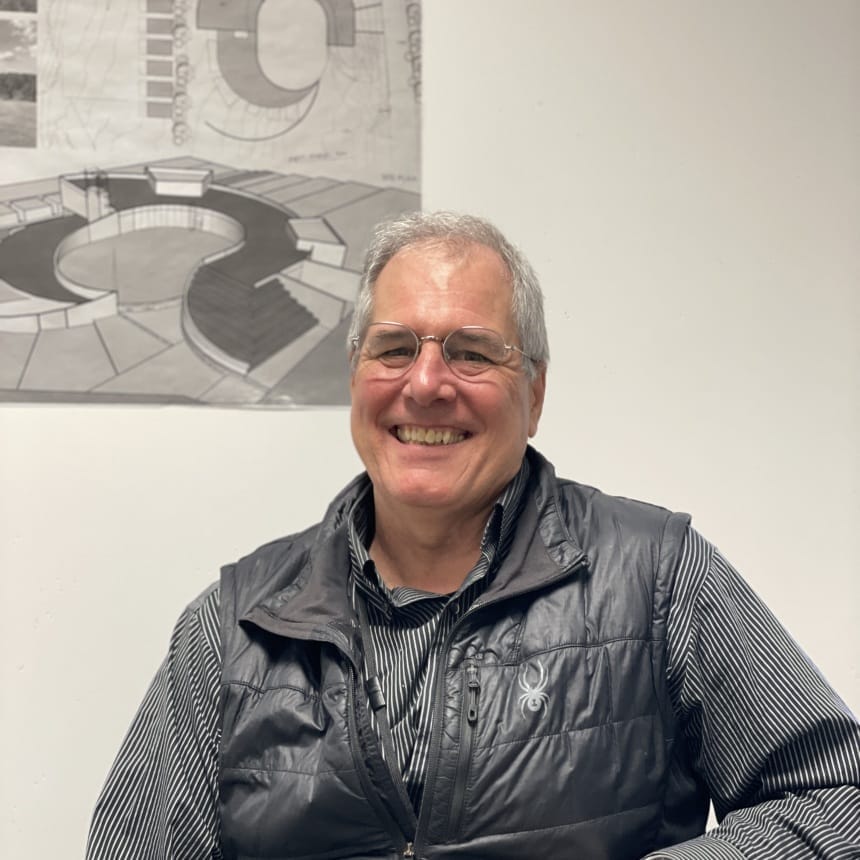
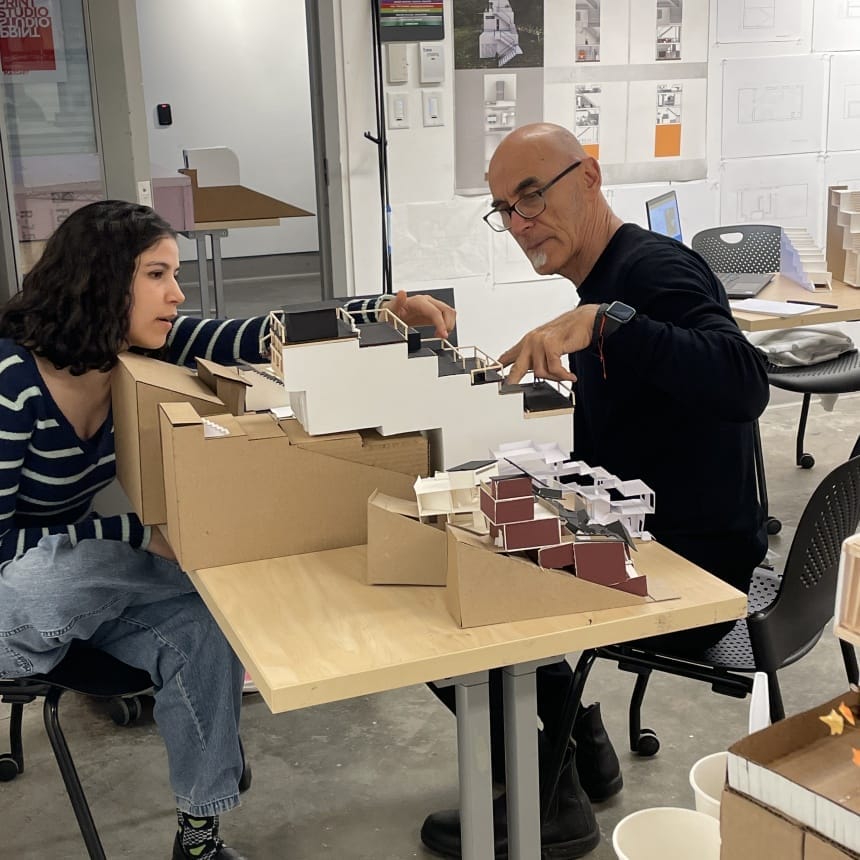
Meet the faculty and staff who teach, lead, and support MassArt’s Architecture programs.







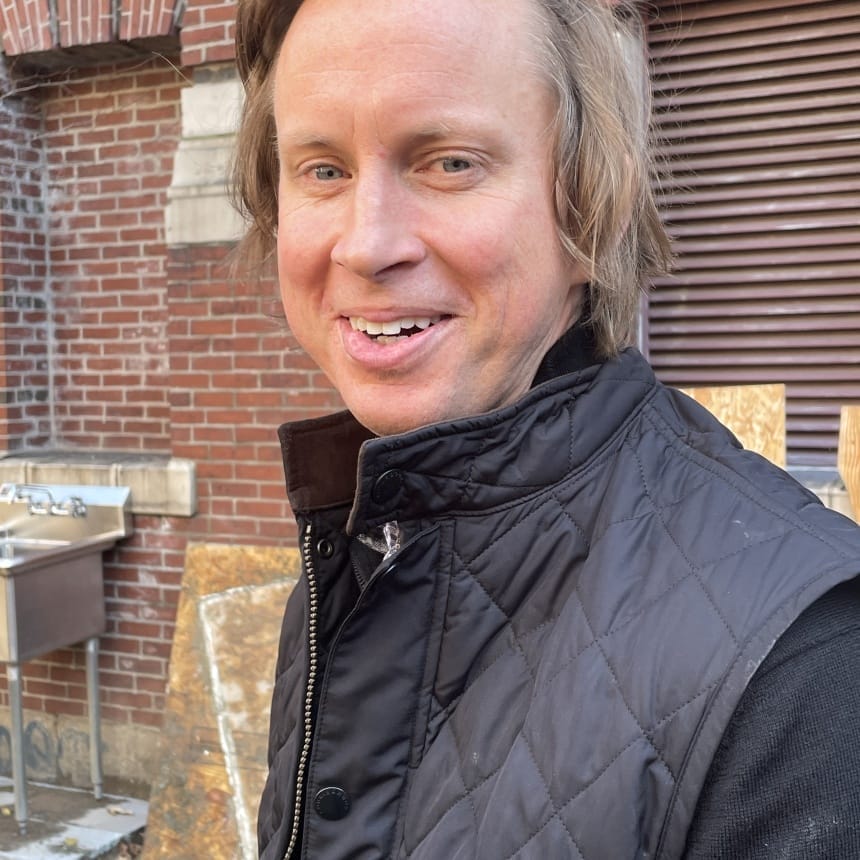
Accredited by the National Architecture Accrediting Board (NAAB), our M.Arch program provides students with rigorous and accessible professional training.
Through rigorous coursework, Master of Architecture (M.Arch) students at MassArt explore the pressing issues in the architecture profession today, from sustainable design to social equity, while mastering specialized technical skills. Students explore history, drawing, structural principles, hands-on fabrication, and innovation. They develop and establish their individual design voices within a shared set of program values.
M.Arch students are also trained to be socially responsible citizens invested in community partnerships and collaboration. While at MassArt, students participate in community projects and gain leadership skills by working closely with non-profit organizational partners in the Greater Boston area.
The MassArt Architecture program places a strong emphasis on making, giving students access to superior shop facilities and equipment, including laser cutters, 3-D printers, and a range of computer labs.
Track I: Students begin the preprofessional sequence in Summer 2026 and continue with the professional sequence in Fall 2027.
Track II: Students begin the professional sequence in Fall 2026.
Total Credits Track II: 60
Total Credits Track I: 102
EDAD-623 Community Build I – Design (You will find this in a fall term)
EDAD-629 Community Build II – Build (You will find this in a summer term)
Please note that the current M.Arch requirements posted in the 2025-26 academic catalog do not apply to incoming 2026 cohorts. The academic catalog will be updated with the new M.Arch requirements posted above, later in summer 2026.
Students who complete the Master of Architecture Program are expected to be able to demonstrate the following learning outcomes, which are necessary and part of successful entry into professional design practice.
Alumni from the Architecture program have acquired positions at the following firms & organizations:
Discover how Julian Phillips ’20 M.Arch uses his MassArt education in historic preservation, restoring iconic landmarks and uncovering untold architectural stories.
View story
Our Community Build summer program gives M.Arch students and communities the opportunity to work as partners on design-build projects.
Learn MoreArchitecture BFA students gain pre-professional knowledge of the field through community projects, hands-on learning and making, and technical skill building.
Location: On Campus (Boston)
Format: In-person, Full Time
Length of Program: 4 years
Degree Awarded: Bachelor of Fine Arts in Architecture
As an undergraduate studying Architecture at MassArt, you’ll be immersed in rich learning experiences that focus on design, fabrication, and problem solving. You’ll gain practical skills, community-based project experiences, and a deep understanding of the relationship of culture, environment, and the built world.
In coursework, students are exposed to a wide range of technical skills and tools. They dig into the nuts and bolts of the field, producing technical drawings, interpreting building codes, and outlining material specifications. They design buildings, interiors, exhibitions, and furniture – all while balancing the needs of clients and the constraints of the surrounding environment.
Our program features small class sizes and a collaborative community of undergraduate and graduate critical thinkers and designers, partnering within and across levels. At MassArt, we continue to understand architecture to be, above all, a social art. We aim to cultivate students who will engage with these departmental learning goals, build meaning within the department and studio culture, and learn to responsibly engage in their communities.
MassArt Architecture students also know the importance of understanding the broader social context of the built environment. In projects and research, they explore racial justice, social equity, accessibility, sustainability, and civic engagement as central components of architectural practice.
Students who complete the Architecture BFA program are expected to be able to demonstrate the following learning outcomes, which are necessary and part of successful entry into professional design practice.
Upon completion of the program, students are ready to work in a range of positions within architecture firms. Many graduates also continue their education by pursuing a Master of Architecture (M.Arch). Students who complete the four-year undergraduate program may enter MassArt’s M.Arch program with five additional semesters of study.
Our alumni hold positions at leading architecture firms, engineering companies, and design organizations.
Architectural Designer, Design Assistant, Draftsperson/CAD Technician, BIM Specialist, Fabrication & Model-Making Roles, Project Coordinator, Sustainability/Environmental Design Assistant.
Elkus Manfredi Architects, Howeler + Yoon Architecture, Hutker Architects, Group One Partners, Inc., Albany Housing Authority, Cinnabar, CMC Colonial Marble Company, Longfellow Design Build, R&B Design Architecture, The Architectural Team, Inc.
Architecture Firms:Shepley Bulfinch, Perkins + Will, Gensler (Boston), Goody Clancy Architects, Grimshaw, Snøhetta (NY), Kohn Pedersen Fox (KPF), Populous, Cambridge Seven Associates, Studio G Architects, Stantec (Boston), Toyo Sekkei
Engineering, Technology & Design Organizations:URS / AECOM, M+W Group, Shüco USA/NY, Broad Institute, Cameron Roberts Advisors






Architecture at MassArt is fundamentally a social art, embracing a hands-on approach to drawing and building.Paul Hajian DGCE Chair, Professor, M.Arch Architecture

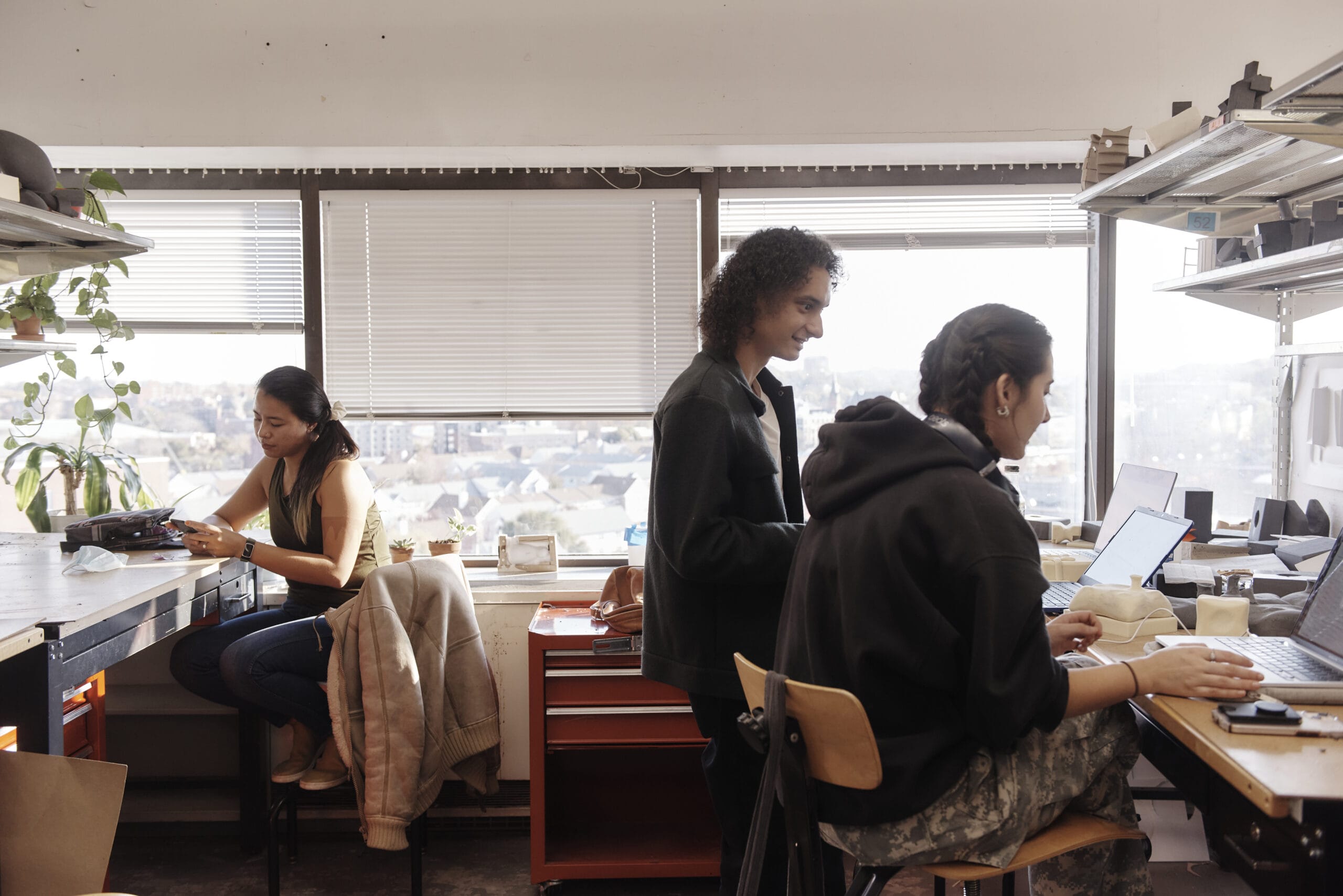
Architecture students have access to multiple fabrication studios, shops, digital labs and individual studio spaces within a collaborative work environment.
Learn More